
Center for Nepal and Asian Studies (CNAS) at Tribhuvan University has launched landmark three-year research project titled “Developing an Integrated Framework for Climate Resilient Tourism Planning in the Himalayan Region of Nepal.” This national-priority initiative aims to address the escalating threats that climate change and unsustainable tourism practices pose to Nepal’s mountain ecosystems and the livelihoods that depend on them.
The project will focus on three of Nepal’s most iconic and ecologically sensitive mountain destinations: Sagarmatha National Park (Koshi Province), Langtang National Park (Bagmati Province), and the Annapurna Conservation Area (Gandaki Province) and Rara National Park (Karnali Province). These areas, while central to Nepal’s tourism economy, are experiencing rapid environmental degradation—including glacial melt, forest fires, glacial lake outburst floods (GLOFs), landslides, and biodiversity loss—that are directly undermining tourism-based revenue and employment.
“The Himalayan region is on the front line of climate change,” said a CNAS spokesperson. “Our research will develop a practical, scalable planning framework that translates scientific knowledge into actionable strategies for local governments, tourism professionals, and private sector stakeholders. The goal is to build resilience—not just for the environment, but for the communities whose lives and economies are intertwined with mountain tourism.”
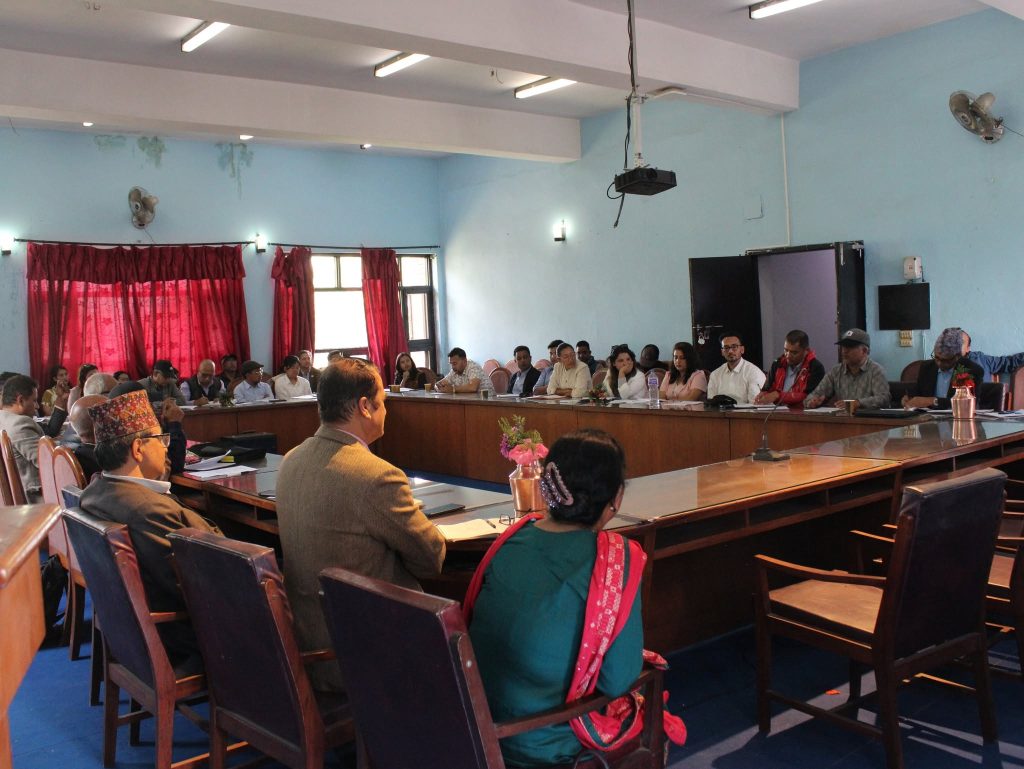
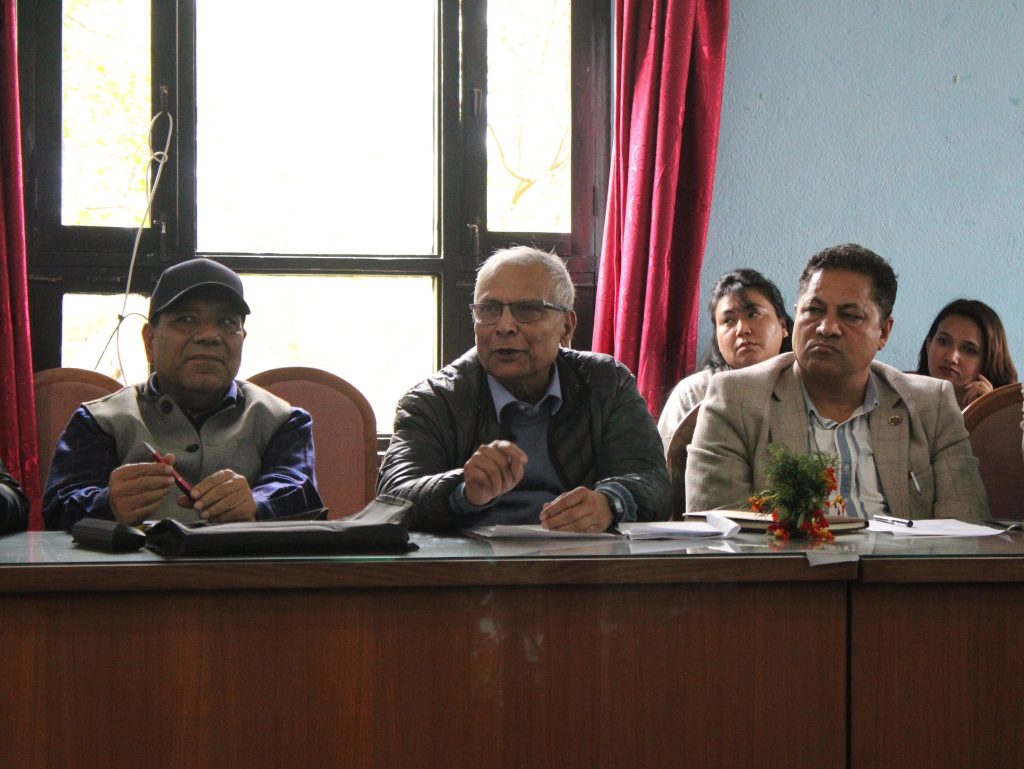
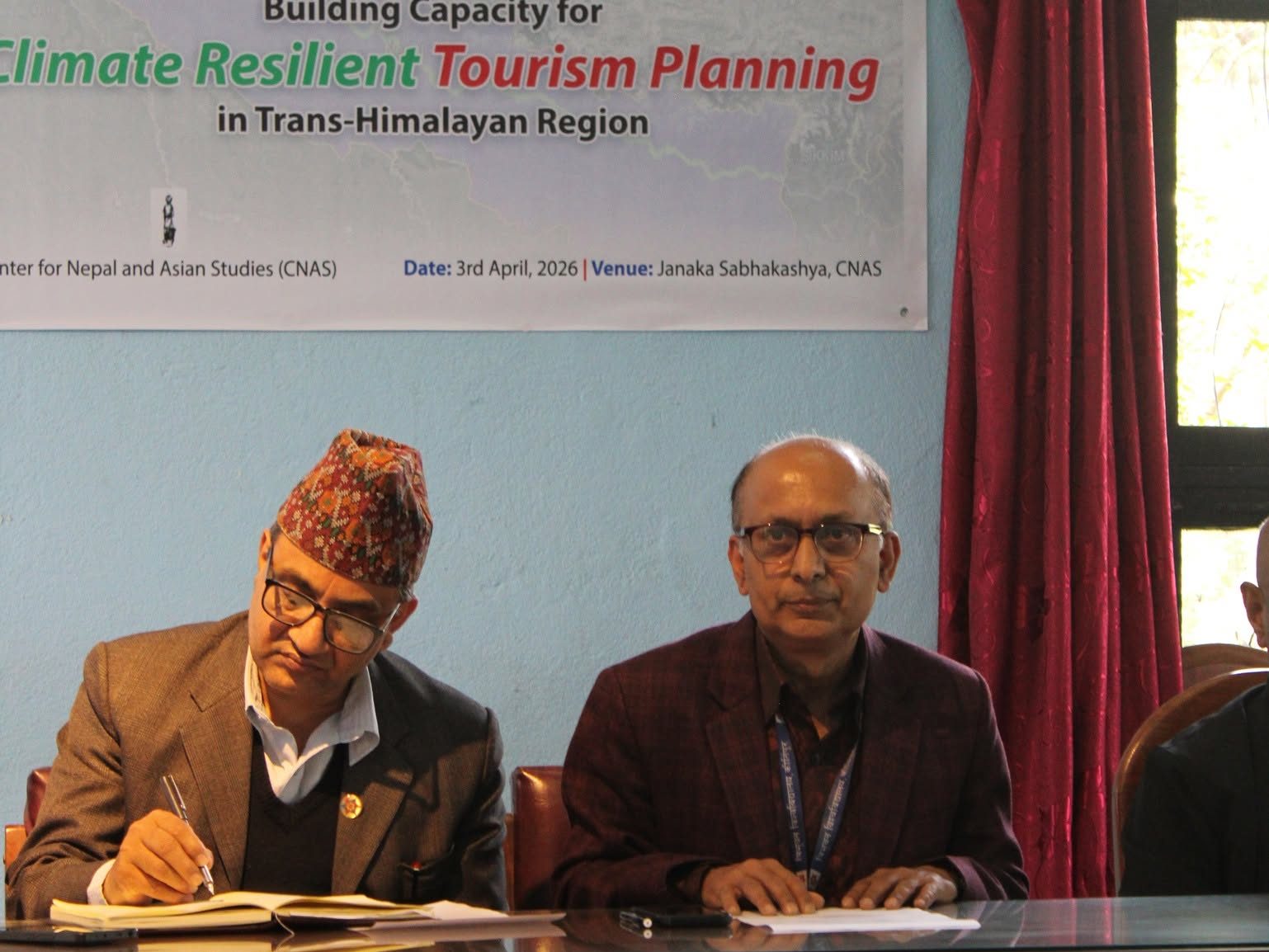
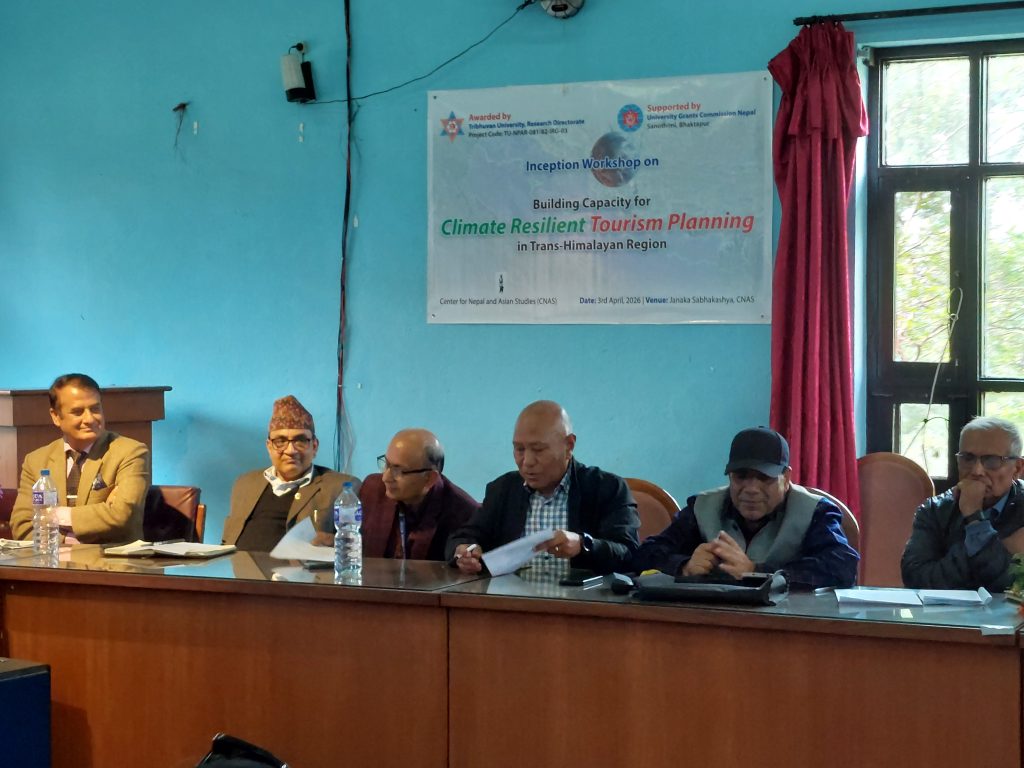
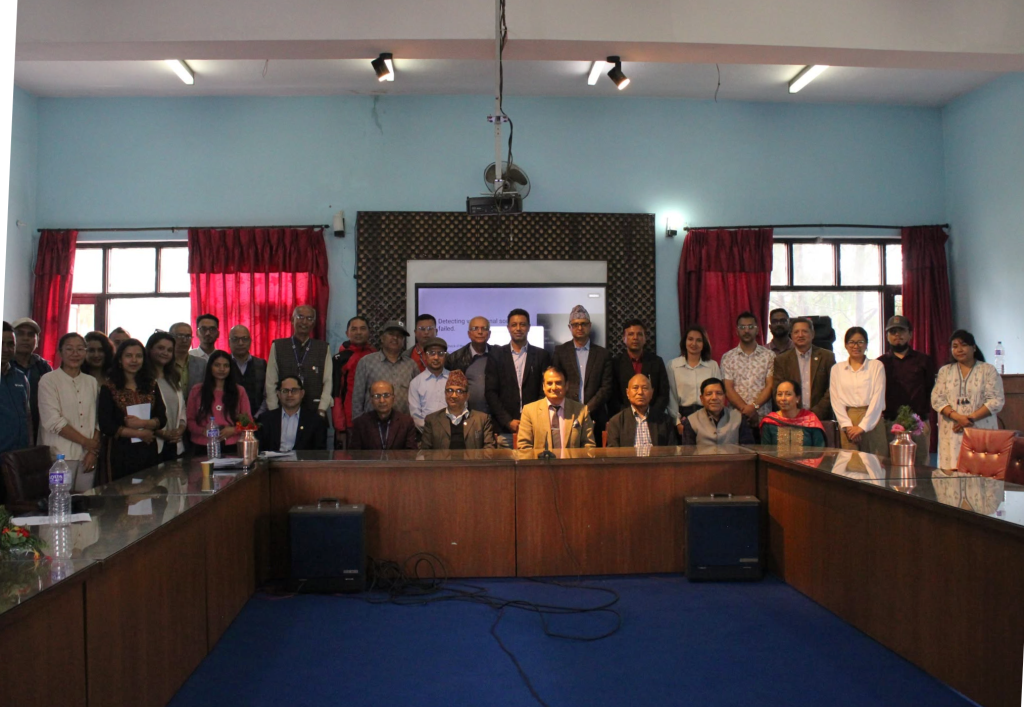
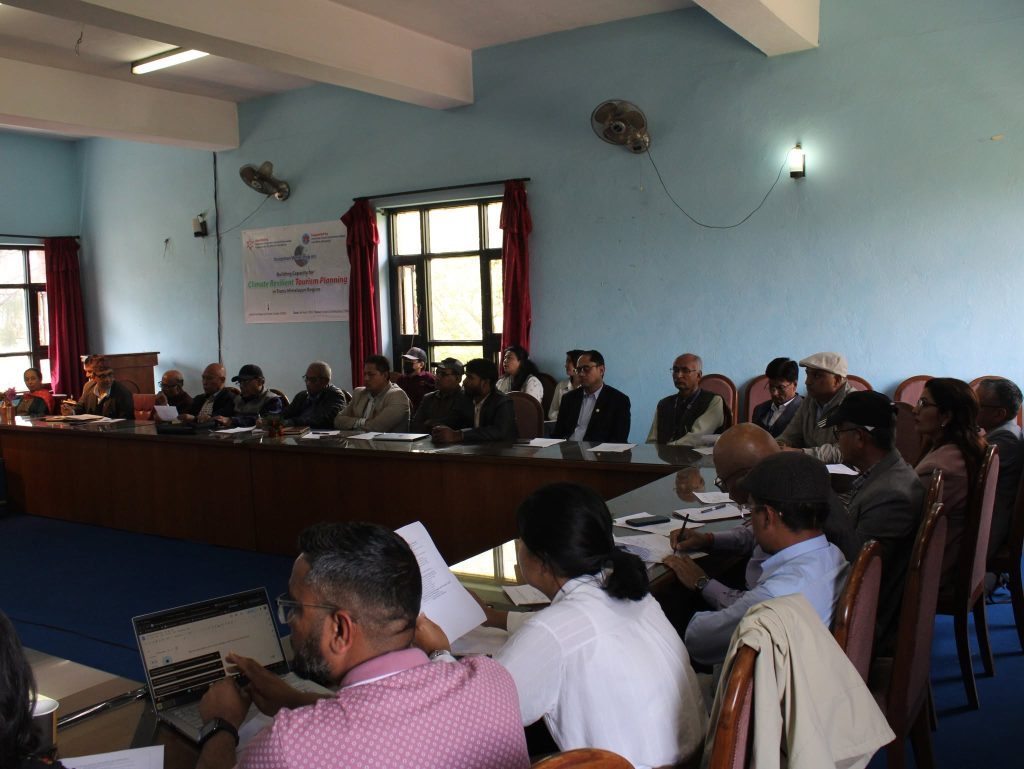
The project comes at a critical juncture. Recent reports indicate that rising temperatures in the Nepal Himalayas are outpacing the national average, with glaciers retreating at alarming rates. In Langtang, experts warn that tourism is growing without proper management, worsening environmental impacts and threatening both the landscape and the tourism economy. Meanwhile, the Annapurna region—which saw over 37,500 foreign visitors in FY 2024/25—faces emerging concerns from erratic weather patterns that could affect future visitor numbers.
The research will employ multiple methodologies, including policy discourse analysis, structured surveys, interviews, focus group discussions, and stakeholder workshops. The findings will be translated into planning tools for municipalities, tourism professionals, and the private sector. Additionally, the project will integrate vocational training for tourism professionals and contribute to academic degree programs in higher education.
Key thematic areas of the research include:
- Climate change impact assessments on Himalayan tourism products
- Policy analysis and recommendations for local, provincial, and national climate-resilient tourism planning
- Local development planning for sustainable tourism and economic benefits
- Translation of scientific knowledge on sustainability into tourism planning
- Human resource development through vocational and academic training
- Eco-centric tourism promotion through sensitization and awareness materials

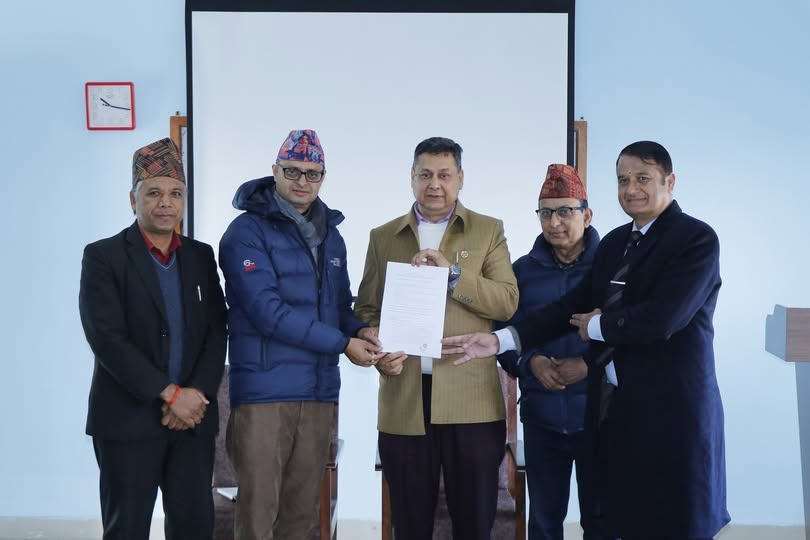
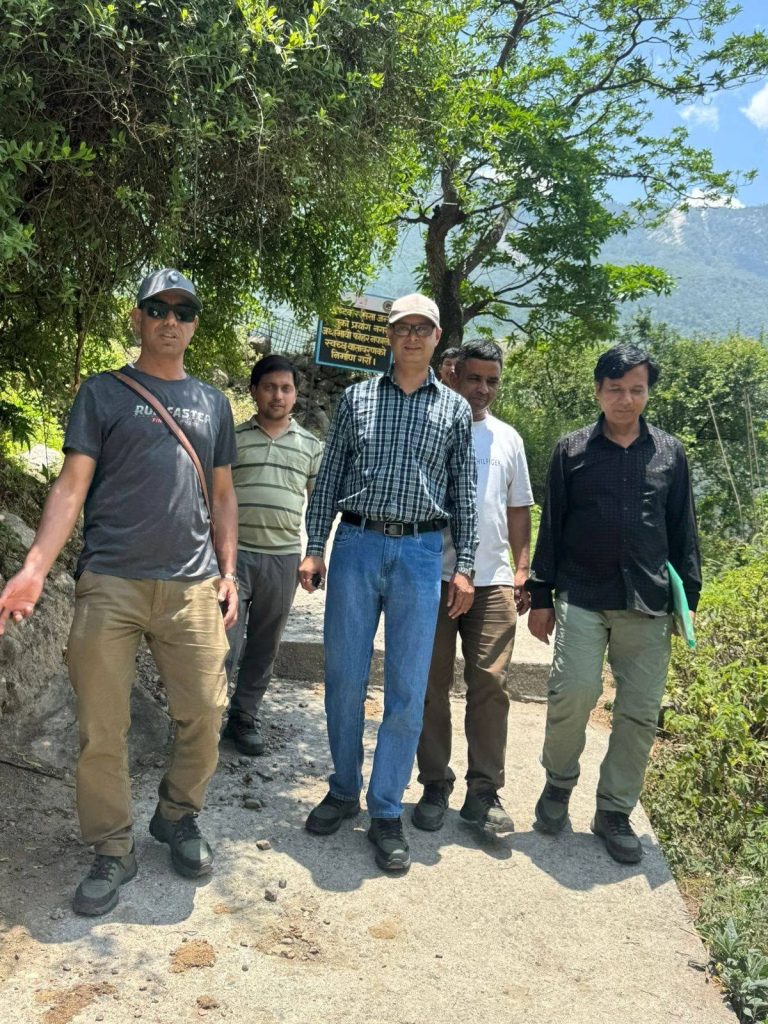
The project is also aligned with broader national and international efforts to promote sustainable tourism. It is expected to make significant contributions to Nepal’s tourism policy, local planning practices, and the broader goal of aligning tourism with climate adaptation and sustainable development.